
Online Trauma Therapy in California

When the Past Still Feels Too Close
You tell yourself it’s over, the difficult chapter, the relationship, the crisis.
But your body doesn’t always believe it.
Maybe your heart still races in certain situations. Maybe you startle easily, or find yourself shutting down when things feel too intense. You might have learned to stay busy, to keep moving forward, yet the tension never fully lets go.
At Inner Balance Therapy Group, we help you gently reconnect with a sense of safety after trauma. Our work focuses on helping both your mind and body understand that what happened is over, so you can live in the present without constantly bracing for the past.
Why Trauma Lingers in the Body
Trauma isn’t just something that happened to you. It’s also the imprint those experiences left on your nervous system.
Even when you’ve logically processed what happened, your body may still hold the charge, a readiness to fight, flee, or freeze. That’s why triggers can feel instant and overwhelming: your system is trying to protect you from danger that’s no longer there.
Healing isn’t about forgetting or “moving on.” It’s about teaching your body that it’s safe now, and building trust in that safety, little by little.
How Therapy Helps You Rebuild Safety & Trust
Our approach integrates mind-body work, evidence-based therapy, and nervous-system regulation techniques. Together, we help you understand how trauma patterns live in your thoughts, emotions, and body, and guide you in gently unwinding them.
In sessions, that may look like:
-

Learning to recognize your body’s early cues of activation or shutdown.
-
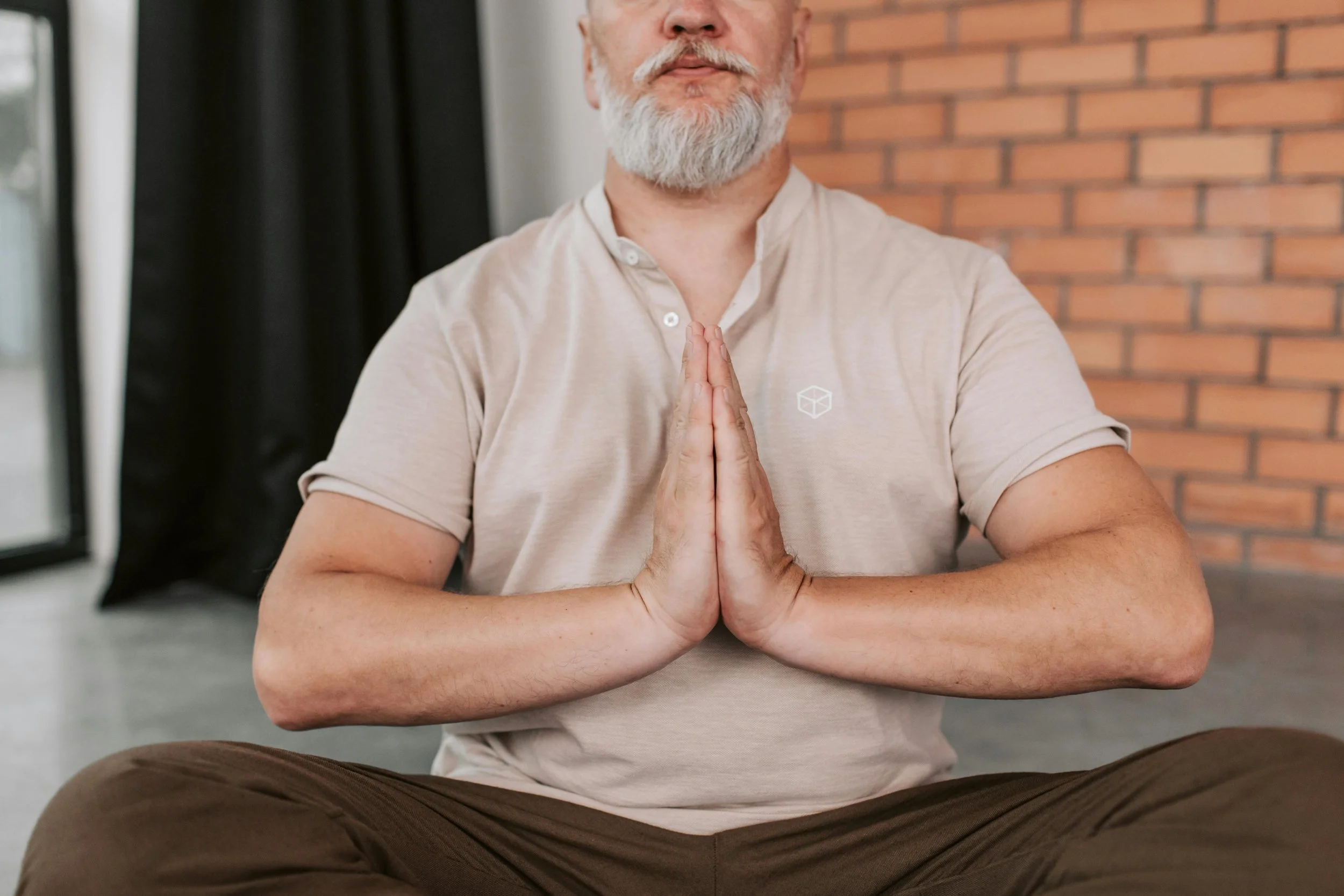
Practicing grounding and regulation skills that bring you back to the present.
-

Processing memories at a pace your system can handle safely.
-

Reconnecting with parts of yourself you had to disconnect from to survive.
Each step restores a sense of stability, presence, and agency, helping you feel at home in your body and life again.
Who This Work Is For

Our clients are often adults who:
Feel easily triggered or emotionally flooded by reminders of the past.
Struggle with anxiety, hypervigilance, or emotional numbness.
Have experienced relational trauma, neglect, or ongoing stress.
Find it hard to trust others, or even themselves.
Are ready to heal patterns that keep them stuck in survival mode.
You’re not “too sensitive” or “broken.” Your system learned to protect you. Therapy helps you gently re-train it toward safety and connection.
Our Approach to Healing After Trauma
At Inner Balance Therapy Group, therapy is steady, relational, and body-aware. We combine CBT and mindfulness-based work with somatic and experiential approaches that help the nervous system integrate safety at its own pace.
This process helps you:
Calm your body’s automatic reactions and feel more grounded day to day.
Reduce shame and self-blame around your responses to stress.
Rebuild connection, intimacy, and self-trust.
Access a sense of calm that feels stable and earned — not fragile.
Because healing trauma isn’t about erasing the past. It’s about helping your body finally know that it’s over.
Ready to Feel Safe in Your Own Skin Again?
You don’t have to keep managing flashbacks, numbness, or overreactions alone.
Therapy can help you find steadiness and safety that lasts, from the inside out.
Frequently Asked Questions About Trauma Therapy
How do I know if I have unresolved trauma?
1
You might notice that certain situations or relationships trigger strong emotions or body reactions that feel out of proportion to what’s happening. Therapy helps you identify these patterns and calm the nervous system responses behind them.
I’ve already talked about my trauma. Why do I still feel stuck?
2
Talking alone doesn’t always reach the parts of the brain and body where trauma lives. Our approach combines insight with experiential and somatic work so your system learns safety, not just understanding.
What makes therapy at Inner Balance different?
3
We move at the pace of your nervous system, combining evidence-based talk therapy with grounding and body regulation work so change feels safe, not overwhelming.
How long does trauma therapy take?
4
Healing timelines vary. Many clients begin noticing early shifts, feeling less reactive, sleeping better, or feeling more connected, within the first few months. True integration builds steadily over time as safety becomes your body’s new baseline.